
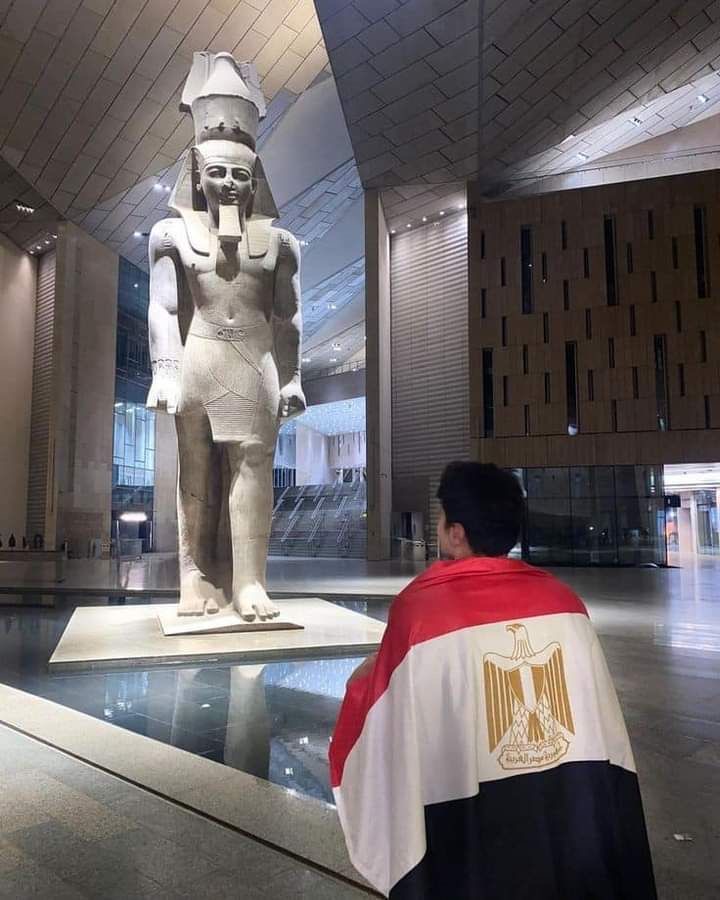
Grand Egyptian Museum: The World’s Largest Archaeological Museum
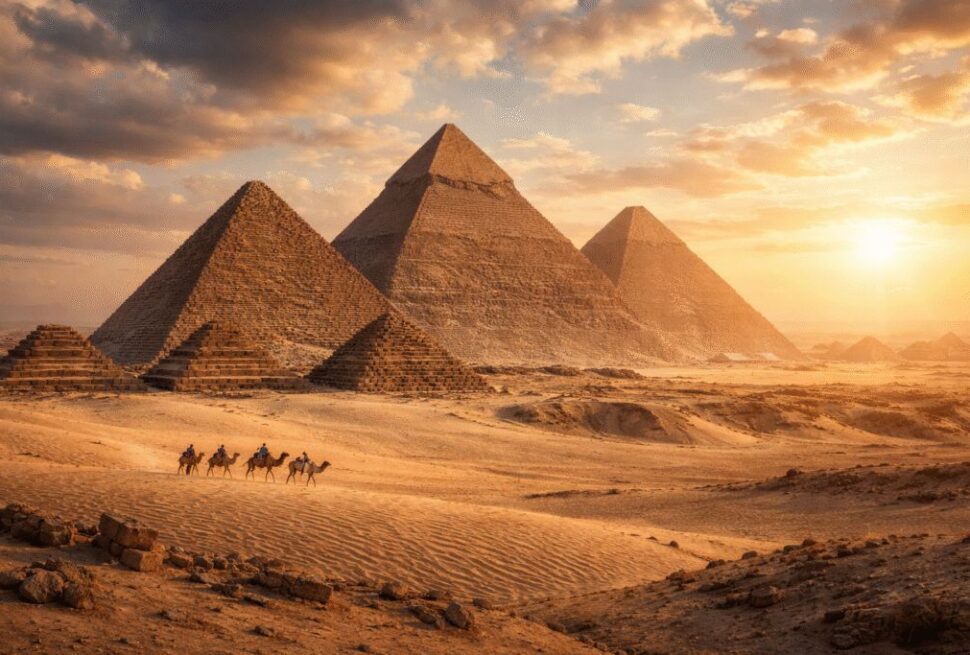
The Grand Egyptian Museum (GEM) is one of the most anticipated cultural landmarks in the world and a symbol of Egypt’s dedication to preserving its extraordinary heritage. Located just a short distance from the iconic Giza Pyramids, the museum offers visitors an unforgettable journey through more than 5,000 years of ancient Egyptian civilization.
As the world’s largest archaeological museum devoted to a single civilization, the Grand Egyptian Museum is more than a place to display artifacts—it is an immersive experience where history, architecture, technology, and culture come together. Whether you are visiting Egypt for the first time or returning to explore more of its ancient wonders, the museum is an essential destination that provides remarkable insight into one of humanity’s greatest civilizations.
A New Home for Ancient Egypt
For decades, Egypt dreamed of creating a museum worthy of its incredible archaeological treasures. The Grand Egyptian Museum was designed to protect priceless artifacts while offering visitors a modern, interactive, and educational experience unlike any other museum in the world.
Situated near the Giza Plateau, the museum allows travelers to combine two of Egypt’s greatest attractions in one unforgettable day. Its impressive architecture, spacious galleries, and carefully designed exhibitions make it one of the country’s most visited cultural destinations.
The museum reflects Egypt’s commitment to preserving its history while introducing millions of visitors to the achievements of the ancient Egyptian civilization.
An Architectural Masterpiece
Even before entering the museum, visitors are amazed by its magnificent design. Inspired by the geometry of the pyramids, the building blends modern architecture with timeless Egyptian identity.
Natural light fills the enormous entrance hall, creating a welcoming atmosphere that prepares visitors for an extraordinary historical journey.
The museum’s spacious layout ensures a comfortable experience, allowing guests to explore thousands of artifacts without feeling crowded.
Every detail has been carefully planned to create one of the finest museum experiences in the world.
The Grand Hall
One of the first highlights visitors encounter is the spectacular Grand Hall.
Dominating the entrance is the colossal statue of Pharaoh Ramses II, one of Ancient Egypt’s greatest rulers. Standing proudly at the heart of the museum, this impressive monument immediately captures the imagination and sets the tone for the rest of the visit.
Surrounding the hall are massive columns inspired by ancient Egyptian temples, creating a breathtaking introduction to the civilization that shaped human history.
The Grand Hall has quickly become one of the most photographed locations inside the museum.
The Complete Treasures of Tutankhamun
Perhaps the museum’s greatest attraction is the extraordinary collection of King Tutankhamun.
For the first time ever, the complete collection of artifacts discovered inside his famous tomb is displayed together in one location.
Visitors can admire:
- The legendary golden funerary mask
- Royal jewelry crafted with incredible precision
- Ornate ceremonial chariots
- Thrones and furniture used by the young king
- Decorative weapons and shields
- Beautifully preserved clothing
- Religious statues and sacred objects
- Personal belongings used during his lifetime
These artifacts provide a fascinating glimpse into the daily life, beliefs, and royal traditions of Ancient Egypt.
Each object tells part of the remarkable story of the boy king whose tomb became one of the greatest archaeological discoveries in history.
Exploring Five Thousand Years of History
The museum is organized chronologically, allowing visitors to follow the evolution of Egyptian civilization from its earliest beginnings to the Greco-Roman period.
Predynastic Egypt
The journey begins with the earliest settlements along the Nile River.
Visitors learn how agriculture, trade, and social organization gradually developed into one of the world’s first great civilizations.
Ancient pottery, stone tools, jewelry, and ceremonial objects reveal how Egyptian culture first emerged.
The Old Kingdom
The Old Kingdom marks the golden age of pyramid construction.
This period introduced some of Egypt’s most famous pharaohs, including Khufu, Khafre, and Menkaure.
Visitors discover remarkable statues, inscriptions, reliefs, and artifacts connected with the construction of the pyramids and the rise of royal power.
The Middle Kingdom
The galleries continue into the Middle Kingdom, a period known for political stability, artistic excellence, and expanding trade.
Beautiful sculptures and finely crafted jewelry demonstrate the high level of craftsmanship achieved during this era.
The New Kingdom
Often considered the greatest period in Egyptian history, the New Kingdom witnessed the reigns of legendary rulers such as Hatshepsut, Akhenaten, Tutankhamun, Seti I, and Ramses II.
The museum’s galleries showcase magnificent statues, royal monuments, decorated coffins, temple reliefs, and priceless treasures from this remarkable age.
Greco-Roman Egypt
The final sections explore Egypt’s transformation under Greek and Roman influence.
Visitors can observe how ancient traditions continued while new artistic and cultural elements became part of Egyptian society.
Advanced Technology Enhances Every Visit
Unlike traditional museums, the Grand Egyptian Museum uses modern technology to bring history to life.
Interactive screens explain ancient rituals.
Digital maps illustrate archaeological discoveries.
Three-dimensional models reconstruct temples and royal tombs.
Educational films help visitors understand complex historical events.
These modern tools make the museum enjoyable for visitors of all ages, from children to professional historians.
A Paradise for Photography
The museum offers countless opportunities for spectacular photography.
Popular locations include:
- The Grand Staircase
- Ramses II Statue
- Panoramic windows overlooking the Giza Plateau
- Monumental sculptures
- Modern architectural spaces
Natural lighting throughout the building creates stunning conditions for memorable photographs.
Educational Experience for Every Visitor
The Grand Egyptian Museum is much more than a tourist attraction.
Students, researchers, archaeologists, and history enthusiasts from around the world visit to deepen their understanding of Ancient Egypt.
Educational programs, guided tours, and temporary exhibitions provide valuable learning opportunities throughout the year.
Families also enjoy interactive displays designed specifically for younger visitors.
Visitor Tips
To make the most of your visit:
- Plan to spend at least four to six hours exploring the galleries.
- Wear comfortable shoes, as the museum covers a vast area.
- Bring a camera to capture the remarkable architecture.
- Visit early in the morning for a quieter experience.
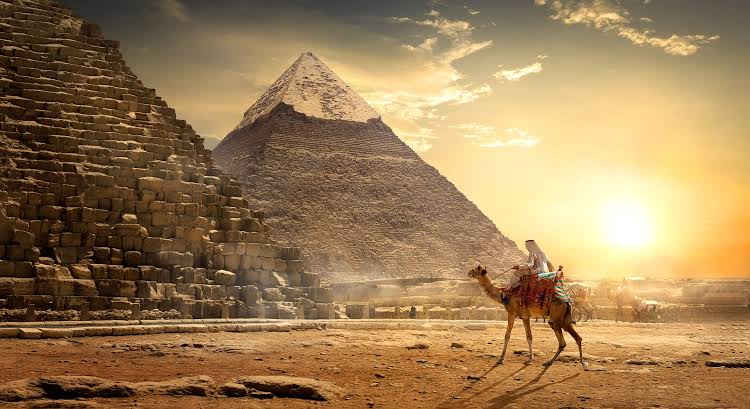
- Combine your visit with the nearby Giza Pyramids and the Great Sphinx.
Nearby Attractions
One of the museum’s greatest advantages is its location.
Within a short distance, visitors can also explore:
- The Giza Pyramids
- The Great Sphinx
- Panoramic viewpoints
- Camel and horse riding experiences
- Traditional Egyptian restaurants
- Local handicraft and souvenir shops
This makes the museum an ideal part of a full-day Cairo itinerary.
Why the Grand Egyptian Museum Is Changing Cultural Tourism
The Grand Egyptian Museum has redefined the museum experience in Egypt.
Its enormous collection, innovative presentation, and world-class visitor facilities have strengthened Egypt’s position as one of the leading cultural tourism destinations.
Millions of travelers now include the museum as one of the highlights of their Egyptian adventure.
For anyone interested in archaeology, history, architecture, or culture, the Grand Egyptian Museum represents an unforgettable journey through one of the greatest civilizations ever known.
Frequently Asked Questions
Where is the Grand Egyptian Museum located?
The museum is located near the Giza Pyramids, making it easy to visit both attractions on the same day.
How long should I spend at the museum?
Most visitors spend between four and six hours exploring the galleries and exhibitions.
Is the museum suitable for children?
Yes. Interactive exhibits and educational displays make it an enjoyable experience for families.
What is the museum’s most famous attraction?
The complete collection of Tutankhamun’s treasures is considered the museum’s greatest highlight.
Can I visit the museum and the pyramids in one day?
Yes. Their close proximity allows visitors to enjoy both attractions during a full-day tour.
Conclusion
The Grand Egyptian Museum is far more than a museum—it is a gateway to Ancient Egypt. Every gallery reveals extraordinary stories of pharaohs, craftsmen, architects, and civilizations that shaped human history. From the breathtaking Grand Hall to the priceless treasures of Tutankhamun, every step offers a deeper appreciation of Egypt’s remarkable past.
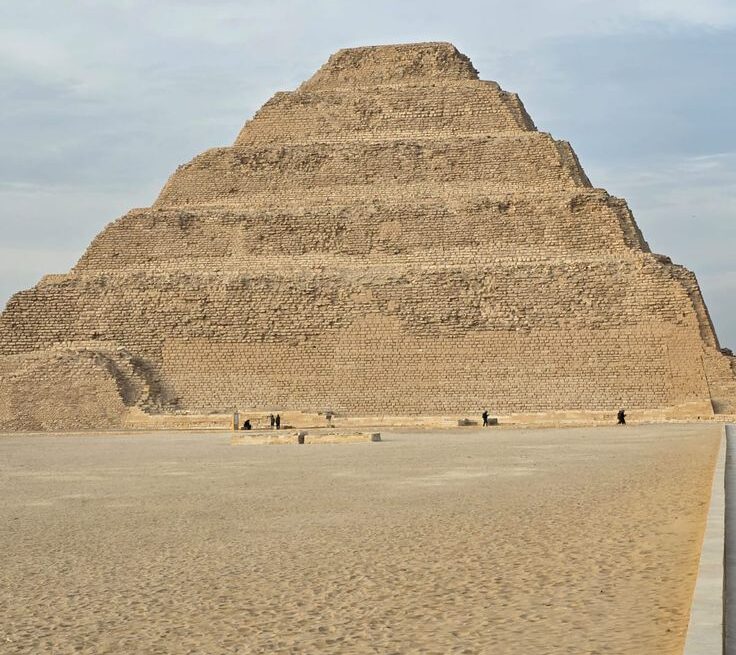
Yet the story of Egypt’s architectural brilliance did not begin inside a museum. To truly understand how pyramid building started, the next destination is the ancient necropolis where history changed forever, Saqqara: Home of Egypt’s First Pyramid.
I’ve been using this platform for a while now and the login process is super smooth. Highly recommend brojplogin for anyone looking for a reliable experience.
Thank you for your kind words and for being part of our community! We’re delighted to hear that you’re enjoying the clean interface, promotions, and overall experience. Your continued support means a lot to us, and we look forward to making your experience even better! 🙌