
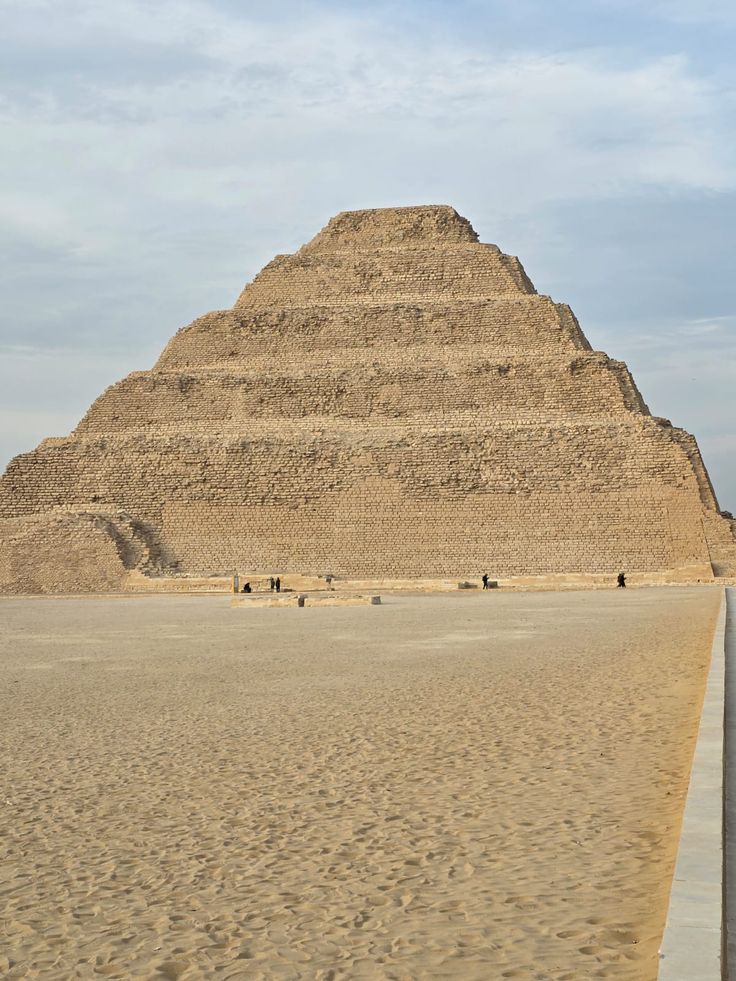
Saqqara: Home of Egypt’s First Pyramid and the Birthplace of Monumental Architecture
Just south of Cairo lies one of Egypt’s most extraordinary archaeological treasures—Saqqara. While millions of travelers visit the Giza Pyramids every year, many historians consider Saqqara the true beginning of Egypt’s pyramid-building legacy. This vast necropolis served as the main burial ground of the ancient city of Memphis for more than 3,000 years and preserves some of the oldest and most significant monuments in human history.
Home to the famous Step Pyramid of Djoser, magnificent tombs, colorful wall reliefs, underground burial chambers, and countless archaeological discoveries, Saqqara offers visitors an unforgettable journey into the origins of Ancient Egyptian civilization.
Whether you are passionate about archaeology, architecture, or history, Saqqara is one of the most fascinating places to visit in Egypt.
The History of Saqqara
Saqqara was the principal cemetery of Memphis, the first capital of Ancient Egypt. Pharaohs, nobles, priests, military commanders, and high officials were buried here from the First Dynasty until the Greco-Roman Period.
Unlike many archaeological sites that represent only one historical era, Saqqara preserves thousands of years of continuous Egyptian history. Every excavation reveals new discoveries, making it one of the most active archaeological sites in the world.
Today, archaeologists continue to uncover beautifully decorated tombs, statues, sarcophagi, and mummies that provide new insights into daily life in Ancient Egypt.
The Step Pyramid of Djoser
The greatest attraction in Saqqara is undoubtedly the Step Pyramid of King Djoser.
Designed by the brilliant architect Imhotep during the Third Dynasty, it was the first monumental stone building ever constructed. Instead of building a traditional mastaba tomb, Imhotep stacked six increasingly smaller platforms to create the world’s first pyramid.
Standing approximately 62 meters high, the Step Pyramid completely transformed ancient architecture and inspired the smooth-sided pyramids later built at Giza.
For historians and architects alike, this monument represents one of humanity’s greatest engineering breakthroughs.
Imhotep: The Genius Behind the Pyramid
Imhotep was much more than an architect.
He served as Djoser’s royal advisor, engineer, physician, and high priest. His extraordinary achievements eventually earned him recognition as one of history’s greatest scholars.
Centuries after his death, Imhotep was even worshipped as a god of wisdom and medicine.
His revolutionary design at Saqqara laid the foundation for every pyramid that followed.
The Tombs of the Nobles
Beyond the Step Pyramid, Saqqara is famous for its beautifully decorated tombs.
These tombs belonged to powerful officials who served Egypt’s kings and queens.
Inside, visitors can admire colorful wall paintings depicting:
- Farming and harvesting
- Fishing along the Nile
- Religious ceremonies
- Music and dancing
- Family life
- Animal husbandry
- Trade and craftsmanship
These detailed scenes provide one of the clearest pictures of everyday life in Ancient Egypt.
Underground Burial Chambers
Saqqara is also known for its vast underground passages.
Many tombs extend deep beneath the desert surface, containing elaborately decorated burial chambers, stone sarcophagi, and inscriptions that have survived for thousands of years.
Walking through these ancient corridors allows visitors to experience the atmosphere of one of the world’s oldest cemeteries.
The Serapeum of Saqqara
One of the site’s most mysterious monuments is the Serapeum.
This underground complex housed the sacred Apis Bulls, animals worshipped as earthly manifestations of the god Ptah.
Massive granite sarcophagi weighing dozens of tons still remain inside the tunnels, astonishing visitors with their size and precision.
The Serapeum continues to inspire debate among historians because of the remarkable engineering required to transport and position these enormous stone coffins.
Ongoing Archaeological Discoveries
Saqqara is one of the few archaeological sites where important discoveries are made almost every year.
Recent excavations have uncovered:
- Sealed coffins
- Colorful wooden sarcophagi
- Golden funerary masks
- Ancient papyrus manuscripts
- Bronze statues
- Mummified animals
- Newly decorated burial shafts
Each discovery adds another chapter to the story of Ancient Egypt and attracts worldwide attention from archaeologists and historians.
Why Saqqara Is Different from Giza
Although both sites contain pyramids, they offer very different experiences.
The Giza Pyramids showcase the perfection of pyramid construction.
Saqqara tells the story of how pyramid building began.
Visitors often describe Saqqara as quieter, more authentic, and ideal for those seeking a deeper understanding of Egypt’s archaeological heritage.
Tips for Visiting Saqqara
To enjoy your visit:
- Wear lightweight clothing and comfortable walking shoes.
- Bring water and sun protection.
- Allow at least three to four hours to explore the site.
- Hire a licensed Egyptologist guide to better understand the monuments.
- Combine Saqqara with nearby Memphis for a complete historical experience.
Frequently Asked Questions
Why is Saqqara famous?
Saqqara is famous for the Step Pyramid of Djoser, the world’s first pyramid and the oldest monumental stone building ever constructed.
Who built the Step Pyramid?
The pyramid was built for Pharaoh Djoser and designed by the architect Imhotep during the Third Dynasty.
Is Saqqara older than the Giza Pyramids?
Yes. The Step Pyramid was built decades before the Great Pyramid of Giza.
How much time should visitors spend in Saqqara?
Most travelers spend between three and four hours exploring the pyramids, tombs, and underground chambers.
Can Saqqara and Memphis be visited on the same day?
Yes. Both archaeological sites are located close to each other and are commonly combined in a single tour.
Conclusion
Saqqara is where Egypt’s pyramid story truly began. From the revolutionary Step Pyramid of Djoser to the magnificent tombs of nobles and the mysterious Serapeum, every corner of this ancient necropolis reveals another piece of Egypt’s remarkable past. It is a destination that rewards curious travelers with history, beauty, and unforgettable discoveries.
Just a few kilometers from Saqqara lies another site that shaped the foundations of Ancient Egyptian civilization. In the next article, we travel to Memphis, the first capital of Ancient Egypt, where kings ruled, temples flourished, and one of the world’s greatest civilizations was born, Memphis: The First Capital of Ancient Egypt.

Downloading the app was a breeze and everything runs so smoothly on my device. I love tracking my progress and claiming rewards without navigating through cluttered menus. It has quickly become my favorite way to unwind after a long workday and the notifications are actually helpful. mmm9app
Thank you so much for sharing your experience! We’re really happy to hear that everything met your expectations, from the verification process to the rewards. We truly appreciate your trust and recommendation, and we’re glad to have you and your friends with us! 🙌
Also that we would do without your very good idea
Thank you for your comment! However, this post is about Egypt’s ancient history and archaeological heritage, so we’d prefer to keep the discussion focused on Egyptian culture, history, and travel. 🇪🇬🏺