Memphis: The First Capital of Ancient Egypt
Hidden among the fertile lands south of Cairo lies one of the most significant archaeological sites in the history of human civilization—Memphis. Long before Cairo became Egypt’s bustling capital, Memphis stood as the political, religious, and cultural heart of the ancient Egyptian kingdom. Founded more than 5,000 years ago, this legendary city witnessed the rise of the pharaohs, the construction of the earliest pyramids, and the birth of one of the world’s greatest civilizations.
Although only parts of the ancient city remain today, Memphis continues to captivate historians, archaeologists, and travelers who seek to understand the origins of Ancient Egypt. Visiting Memphis is like walking through the pages of history, where every statue, stone, and monument tells the story of an empire that shaped the ancient world.
The Foundation of Memphis
According to ancient Egyptian tradition, Memphis was founded by King Menes, also known as Narmer, who united Upper and Lower Egypt around 3100 BC. This historic event marked the beginning of the First Dynasty and the birth of a unified Egyptian kingdom.
Its strategic location at the entrance to the Nile Delta allowed Memphis to become a center of trade, administration, and military power. Goods from Africa, Asia, and the Mediterranean passed through the city, making it one of the richest and most influential capitals of the ancient world.
For centuries, Memphis remained the seat of royal authority, where pharaohs governed Egypt and planned ambitious construction projects that would define their legacy.
The Religious Importance of Memphis
Memphis was not only a political capital but also one of Egypt’s most sacred cities.
The city was dedicated to Ptah, the creator god and patron of craftsmen, architects, and artists. The magnificent Temple of Ptah attracted priests, pilgrims, and rulers from across Egypt.
Ancient Egyptians believed that Ptah created the world through thought and speech, making Memphis one of the country’s most important religious centers.
Many ceremonies honoring the pharaohs and the gods were performed here, reinforcing the city’s spiritual significance throughout Egyptian history.
The Colossal Statue of Ramses II
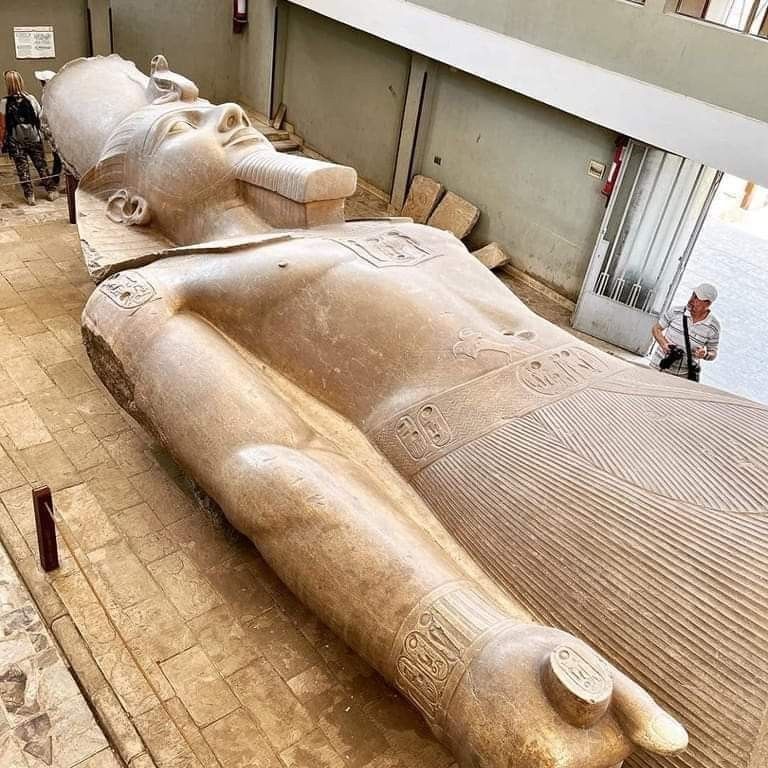
One of Memphis’s most famous attractions is the enormous limestone statue of Pharaoh Ramses II.
Measuring over ten meters in length, this masterpiece demonstrates the extraordinary skill of ancient Egyptian sculptors. Every detail, from the royal headdress to the carefully carved facial features, reflects the artistic perfection achieved during the New Kingdom.
Although damaged by time, the statue remains one of the finest examples of monumental Egyptian sculpture and is a highlight for every visitor.
Standing beside this colossal monument offers a powerful reminder of the grandeur of Ancient Egypt.
The Alabaster Sphinx
Another remarkable monument found in Memphis is the Alabaster Sphinx.
Unlike the Great Sphinx at Giza, this impressive sculpture was carved entirely from a single block of alabaster, giving it a distinctive appearance.
Historians believe it represents a New Kingdom pharaoh, though its exact identity remains uncertain.
Its exceptional craftsmanship and remarkable preservation make it one of the finest sphinxes ever discovered in Egypt.
Memphis and the Pyramid Builders
Memphis played a central role during Egypt’s great age of pyramid construction.
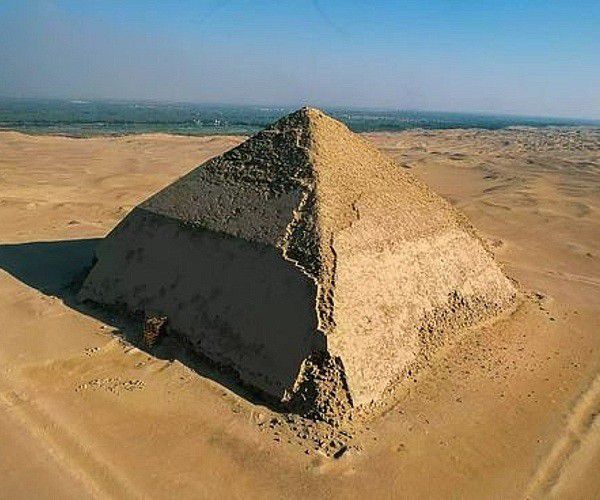
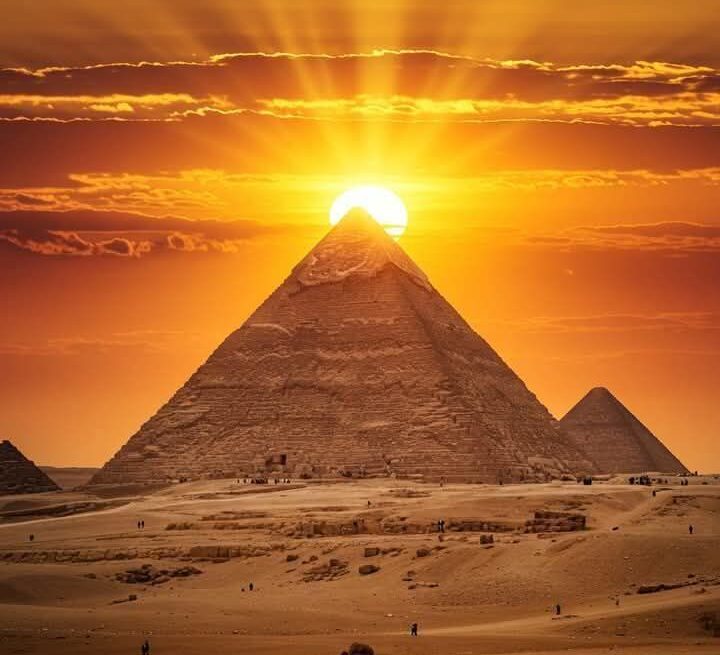
The city’s proximity to Saqqara, Dahshur, and Giza made it the administrative headquarters for the massive building projects that created some of the world’s most famous monuments.
Architects, engineers, craftsmen, and laborers responsible for constructing the pyramids were closely connected to Memphis, where royal officials coordinated resources and organized large-scale expeditions.
Without Memphis, the extraordinary achievements of Egypt’s Old Kingdom might never have been possible.
Daily Life in Ancient Memphis
Archaeological discoveries reveal that Memphis was a thriving metropolis filled with temples, workshops, gardens, markets, and residential neighborhoods.
Skilled craftsmen produced jewelry, furniture, statues, pottery, and luxury goods that were traded throughout Egypt and beyond.
Merchants from neighboring civilizations brought exotic products, creating a vibrant economy that supported the royal court and religious institutions.
The city’s bustling streets reflected the prosperity of one of the most advanced civilizations of the ancient world.
Archaeological Discoveries
Although much of ancient Memphis now lies beneath layers of Nile silt and nearby villages, archaeologists continue to uncover fascinating discoveries.
Among the most important finds are:
- Monumental statues of pharaohs
- Temple foundations
- Ancient inscriptions
- Stone reliefs
- Sacred altars
- Royal monuments
- Ceremonial objects
Each discovery provides valuable information about Egypt’s political, religious, and cultural development over thousands of years.
Why Memphis Is a UNESCO World Heritage Site
Memphis forms part of the UNESCO World Heritage Site known as “Memphis and its Necropolis.”
This protected area includes several of Egypt’s most famous archaeological sites, including:
- Saqqara
- Dahshur
- Abusir
- Giza
Together, these monuments preserve the evolution of pyramid construction and showcase the remarkable achievements of Ancient Egyptian civilization.
Tips for Visiting Memphis
To make the most of your visit:
- Combine Memphis with Saqqara and Dahshur in a single day.
- Wear comfortable shoes suitable for walking.
- Visit during the morning to enjoy cooler temperatures.
- Bring a camera to capture the impressive statues and monuments.
- Hire a knowledgeable Egyptologist guide for a deeper understanding of the site’s history.
Interesting Facts About Memphis
- Memphis served as Egypt’s capital for more than a thousand years.
- The city was one of the largest urban centers in the ancient world.
- The Greek name “Memphis” was derived from the ancient Egyptian name of one of its royal pyramids.
- Many of Egypt’s greatest pharaohs ruled from Memphis.
- The city influenced Egyptian religion, architecture, art, and government for centuries.
Frequently Asked Questions
Where is Memphis located?
Memphis is located approximately 25 kilometers south of Cairo, close to Saqqara and Dahshur.
Who founded Memphis?
According to ancient tradition, King Menes (Narmer) founded Memphis after unifying Upper and Lower Egypt.
Why is Memphis important?
Memphis was the first capital of Ancient Egypt and served as the country’s political, religious, and cultural center for centuries.
What are the main attractions in Memphis?
Visitors can see the Colossal Statue of Ramses II, the Alabaster Sphinx, archaeological remains, and an open-air museum.
Can Memphis, Saqqara, and Dahshur be visited together?
Yes. These three archaeological sites are located close to one another and are commonly explored on the same tour.
Conclusion
Although time has transformed the once-great city into a peaceful archaeological site, Memphis remains one of Egypt’s most important historical treasures. It tells the story of the birth of a unified nation, the rise of powerful pharaohs, and the foundations of one of the world’s greatest civilizations.
The journey through Egypt’s ancient history continues just a short distance away at another remarkable site where pyramid architecture reached a new level of perfection. In the next article, we explore Dahshur, home to the Bent Pyramid and the Red Pyramid, two of the most fascinating monuments ever built by the ancient Egyptians, Dahshur: The Evolution of Pyramid Architecture.