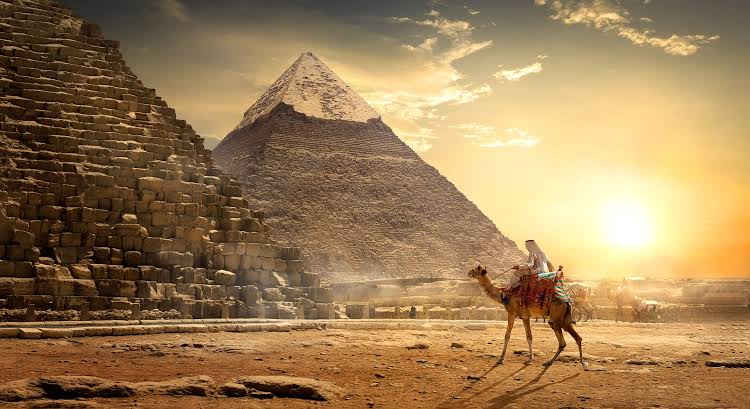
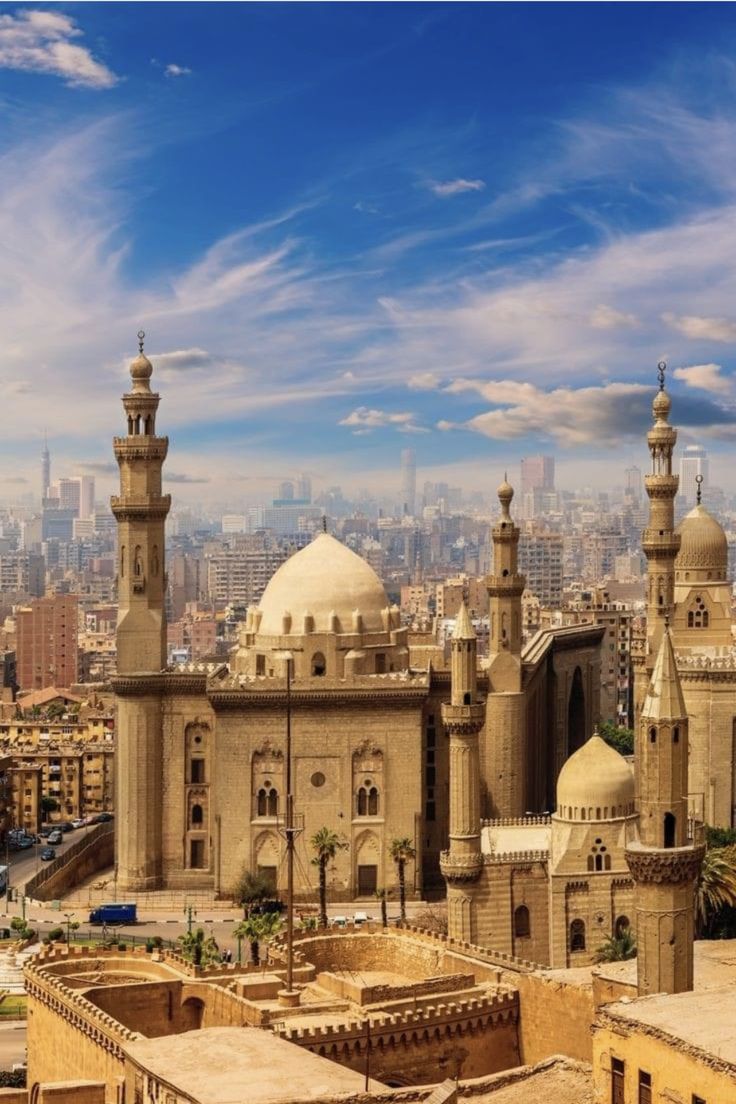
Cairo is a city where thousands of years of history come together in one extraordinary destination. While the pyramids and ancient Egyptian monuments attract travelers from around the world, another chapter of Egypt’s history can be discovered in the narrow streets, magnificent mosques, historic houses, and ancient markets of Islamic Cairo.
Known for its remarkable collection of medieval Islamic architecture, Islamic Cairo offers visitors a completely different perspective on Egypt. Walking through this historic district is like traveling back through centuries of Egyptian history, from the early Islamic period to the powerful Mamluk and Ottoman eras.
For travelers interested in history, architecture, culture, and authentic local experiences, exploring Islamic Cairo is one of the best things to do in Cairo.
What Is Islamic Cairo?
Islamic Cairo refers to the historic areas of Cairo that contain an extraordinary concentration of Islamic monuments and heritage buildings.
The district developed over many centuries as different rulers established mosques, schools, palaces, markets, mausoleums, and public buildings throughout the city.
Although the name suggests that the area represents only one period, Islamic Cairo actually reflects many centuries of architectural and cultural development.
Visitors can find monuments from the Fatimid, Ayyubid, Mamluk, and Ottoman periods, making the area one of the richest historical districts in Egypt.
The Citadel of Saladin
One of the most important landmarks in Islamic Cairo is the Cairo Citadel, a massive medieval fortress built by Salah al-Din, better known as Saladin.
The citadel was constructed in the 12th century to protect Cairo from potential Crusader attacks and served as the center of Egyptian government for centuries.
Today, visitors can explore its impressive walls, historic mosques, museums, and viewpoints overlooking Cairo.
From the elevated position of the citadel, travelers can enjoy spectacular panoramic views of the city.
The Mosque of Muhammad Ali
Inside the Citadel stands the magnificent Mosque of Muhammad Ali, one of Cairo’s most recognizable landmarks.
Built during the 19th century, the mosque is famous for its enormous central dome, elegant Ottoman-style architecture, and impressive interior decoration.
The mosque’s location provides beautiful views across historic Cairo, making it one of the most popular stops for visitors exploring the city.
Its combination of architecture, history, and panoramic scenery makes it an essential part of a Cairo sightseeing itinerary.
Al-Muizz Street
Al-Muizz Street is one of the most fascinating historic streets in Cairo.
Stretching through the heart of the old city, the street is surrounded by beautifully preserved medieval monuments.
Walking along Al-Muizz allows visitors to experience:
- Historic mosques
- Medieval schools
- Ancient mausoleums
- Traditional houses
- Stone gateways
- Traditional markets
- Local handicraft shops
The street is especially atmospheric in the evening when the historic buildings are illuminated.
Bab Zuweila
One of the most impressive surviving gates of medieval Cairo is Bab Zuweila.
Built during the Fatimid period, this monumental gateway once formed part of the city’s defensive walls.
Visitors can climb the towers for spectacular views over the historic district.
The gate also played an important role in Cairo’s history and remains one of the most recognizable monuments of the medieval city.
Khan El Khalili Bazaar
No visit to Islamic Cairo is complete without exploring Khan El Khalili.
This historic market has been part of Cairo’s commercial life for centuries and remains one of the city’s most popular attractions.
The narrow streets are filled with shops selling:
- Egyptian souvenirs
- Traditional jewelry
- Spices
- Perfumes
- Handcrafted products
- Decorative objects
- Traditional lamps
- Egyptian artwork
Even travelers who are not interested in shopping can enjoy the atmosphere, architecture, and traditional cafés throughout the market.
Al-Azhar Mosque
Al-Azhar Mosque is one of the most important religious and educational institutions in the Islamic world.
Founded in the Fatimid period, Al-Azhar became a major center of Islamic scholarship and education.
Its architecture reflects centuries of development, with elegant courtyards, prayer halls, columns, and decorative details.
Visitors interested in religion, architecture, and history will find Al-Azhar an especially fascinating destination.
Sultan Hassan Mosque
The Mosque-Madrasa of Sultan Hassan is considered one of the greatest examples of Mamluk architecture in Cairo.
Constructed in the 14th century, the enormous complex was designed as both a mosque and educational institution.
Its monumental walls, enormous courtyard, and impressive architectural proportions demonstrate the power and sophistication of Mamluk Cairo.
The mosque is located near the Al-Rifa’i Mosque, allowing visitors to explore both monuments during the same visit.
Al-Rifa’i Mosque
Located directly beside Sultan Hassan Mosque, Al-Rifa’i Mosque presents a striking contrast in architectural style.
Although it was built centuries later, the mosque was designed to complement the surrounding Mamluk architecture.
Inside, visitors can discover beautifully decorated interiors and the tombs of members of Egypt’s royal family.
The combination of Sultan Hassan and Al-Rifa’i creates one of the most visually impressive architectural scenes in Cairo.
The Mamluk Heritage of Cairo
The Mamluk period was one of the most important eras in Cairo’s architectural history.
Powerful sultans competed to build increasingly impressive mosques, schools, mausoleums, and public buildings.
Many of these monuments remain standing today, making Cairo one of the world’s greatest destinations for medieval Islamic architecture.
Walking through the historic district allows travelers to observe how architecture, religion, politics, and everyday life were connected.
Traditional Architecture and Historic Houses
Islamic Cairo is not only about large monuments.
The district also contains traditional houses featuring:
- Wooden mashrabiya windows
- Interior courtyards
- Decorative stonework
- Traditional doors
- Historic balconies
- Intricate ceilings
These buildings provide a glimpse into how wealthy families lived in medieval and early modern Cairo.
The Atmosphere of Historic Cairo
One of the greatest attractions of Islamic Cairo is its atmosphere.
Unlike conventional museums, the historic district is a living part of the city.
Local residents continue to live and work among centuries-old monuments.
Markets remain active.
Traditional workshops continue to operate.
Cafés and restaurants fill the streets.
This combination of history and everyday life makes Islamic Cairo a unique cultural experience.
Best Time to Explore Islamic Cairo
The cooler months between October and April are generally the most comfortable for walking through the historic district.
Early mornings offer quieter streets and softer light for photography.
Late afternoon and evening can provide a completely different atmosphere as the markets become more active and historic monuments are illuminated.
How Much Time Do You Need?
A short visit can cover the main highlights in several hours, but travelers who want to explore the district properly should dedicate at least half a day.
A full-day itinerary can combine:
- Cairo Citadel
- Muhammad Ali Mosque
- Sultan Hassan Mosque
- Al-Rifa’i Mosque
- Al-Muizz Street
- Khan El Khalili
- Al-Azhar Mosque
A professional guide can make the experience much more meaningful by explaining the history behind each monument.
Frequently Asked Questions
What is Islamic Cairo famous for?
Islamic Cairo is famous for its medieval mosques, historic streets, Islamic architecture, traditional markets, and centuries-old cultural heritage.
Is Islamic Cairo worth visiting?
Absolutely. It offers a completely different experience from the pyramids and ancient Egyptian sites and reveals another important chapter of Egypt’s history.
What should I see in Islamic Cairo?
The Citadel, Muhammad Ali Mosque, Al-Muizz Street, Khan El Khalili, Sultan Hassan Mosque, Al-Rifa’i Mosque, and Al-Azhar Mosque are among the most important attractions.
How long should I spend in Islamic Cairo?
A half-day is enough for the main attractions, while a full day allows visitors to explore the district at a more relaxed pace.
Can I visit Khan El Khalili and the Citadel on the same day?
Yes. They can easily be combined into a full-day historical Cairo itinerary.
Conclusion
Islamic Cairo reveals a completely different side of Egypt’s fascinating history. Beyond the pyramids and pharaohs, visitors can discover magnificent mosques, medieval fortifications, historic markets, traditional houses, and centuries of Islamic culture.
From the heights of Saladin’s Citadel to the bustling alleys of Khan El Khalili, every corner of the historic district tells another story about Cairo’s evolution through the centuries.
But Cairo’s religious and cultural history is not limited to its Islamic monuments. Another remarkable chapter can be found in the ancient Christian quarter of the city, where some of Egypt’s oldest churches and religious landmarks continue to stand today.
Continue Reading: Coptic Cairo – Exploring Egypt’s Ancient Christian Heritage