
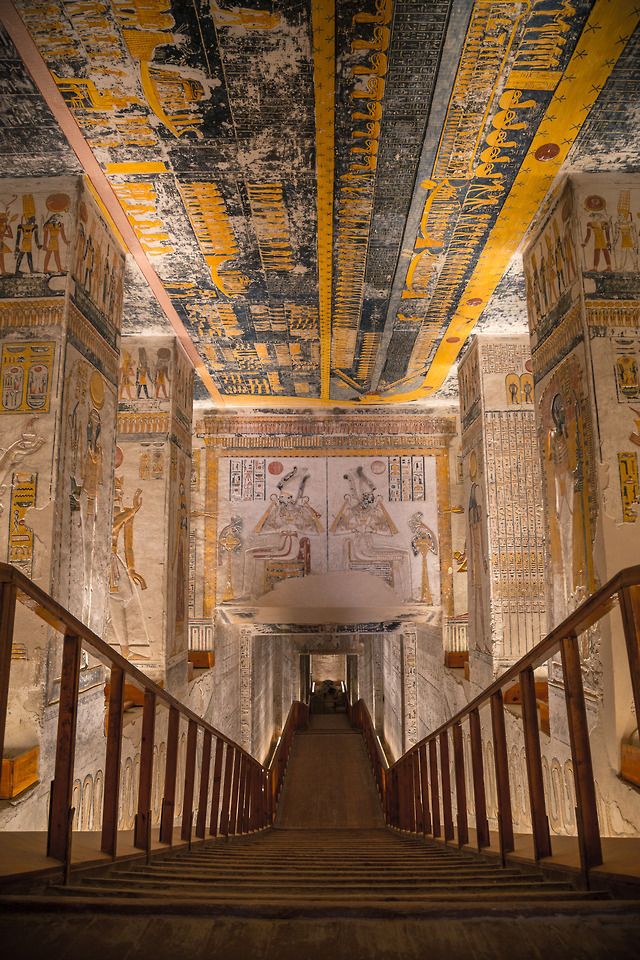
Hidden among the dramatic mountains of Luxor’s West Bank lies one of the most extraordinary archaeological sites in the world: the Valley of the Kings. For more than 500 years, this remote desert valley served as the royal burial ground for the pharaohs of Ancient Egypt.
Instead of building enormous pyramids like the kings of the Old Kingdom, the rulers of the New Kingdom chose to hide their tombs deep inside the mountains. Their goal was to protect their burials and treasures from tomb robbers while creating elaborate underground monuments for their journey into the afterlife.
Today, the Valley of the Kings is one of the most important historical attractions in Egypt and an essential destination for anyone interested in Ancient Egyptian civilization.
Where Is the Valley of the Kings?
The Valley of the Kings is located on the western bank of the Nile River in Luxor, southern Egypt.
The valley is surrounded by rugged limestone mountains and desert landscapes, creating a dramatic natural setting that contrasts with the fertile Nile Valley nearby.
Its location was carefully selected by the ancient Egyptians because the isolated mountains provided natural protection for the royal tombs.
The valley forms part of the larger archaeological landscape of ancient Thebes, together with the Valley of the Queens, the temples of the West Bank, and other important monuments.
Why Did Pharaohs Choose the Valley of the Kings?
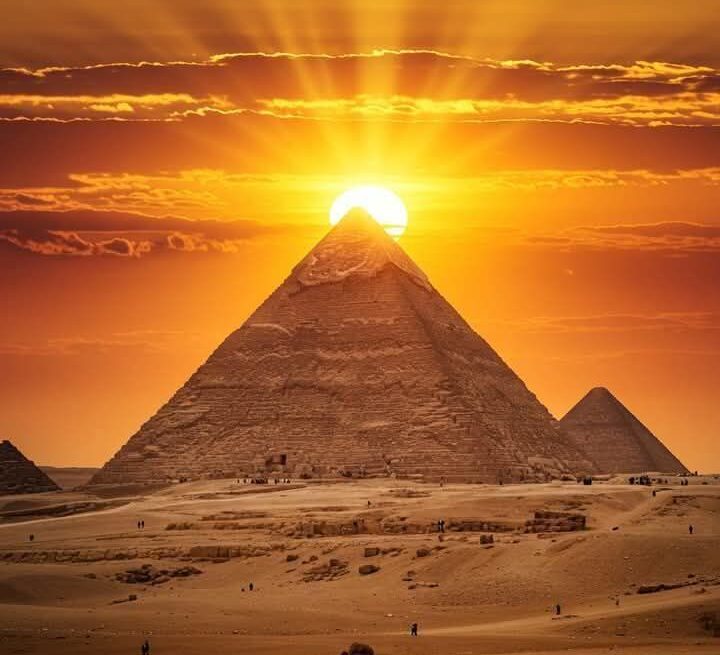
During earlier periods of Egyptian history, pharaohs were buried inside enormous pyramids.
However, pyramids were highly visible and became targets for ancient tomb robbers.
During the New Kingdom, Egyptian rulers developed a different approach.
They selected a remote valley and carved their tombs deep into the rock.
The hidden location was intended to protect the bodies of the kings and their funerary treasures.
Although many tombs were eventually robbed, the strategy was successful enough to preserve numerous chambers, inscriptions, and valuable archaeological evidence for thousands of years.
How Many Tombs Are in the Valley of the Kings?
More than 60 tombs and chambers have been identified in the Valley of the Kings.
Not all of them belonged to pharaohs.
The valley contains tombs associated with:
- Pharaohs
- Princes
- Royal family members
- Officials
- High-ranking individuals
Each tomb has a unique number assigned by archaeologists.
The numbering system helps researchers identify and study the different burial complexes.
Some tombs are small and relatively simple, while others contain long corridors and multiple chambers decorated with elaborate religious scenes.
The Tomb of Tutankhamun
The most famous tomb in the Valley of the Kings belongs to King Tutankhamun.
Tutankhamun became pharaoh while still a child and ruled Egypt for approximately a decade.
Although his reign was relatively short, his tomb became one of the most important archaeological discoveries in history.
In 1922, British archaeologist Howard Carter discovered the entrance to the tomb after years of searching.
The discovery attracted worldwide attention because the burial contained an extraordinary collection of treasures.
Among the most famous objects was the golden funerary mask of Tutankhamun.
Many of these treasures are now displayed at the Grand Egyptian Museum near the Giza Pyramids.
What Makes Tutankhamun’s Tomb Special?
The tomb of Tutankhamun is relatively small compared with other royal tombs in the valley.
Its importance comes from the exceptional preservation of the burial and the enormous historical significance of the objects discovered inside.
The tomb includes decorated chambers featuring scenes from ancient Egyptian religious beliefs and the king’s journey into the afterlife.
Visitors can enter the tomb and see the burial chamber, wall paintings, and the location where the young pharaoh’s remains were discovered.
The Tomb of Ramses VI
The tomb of Ramses VI is another impressive burial chamber open to visitors.
Its long corridors are covered with colorful religious texts and astronomical scenes.
The ceiling of the burial chamber is particularly remarkable, featuring representations of the ancient Egyptian heavens.
The tomb demonstrates how deeply Egyptian beliefs about the afterlife influenced royal architecture and decoration.
The Tomb of Seti I
The tomb of Seti I is considered one of the most magnificent tombs ever discovered in the Valley of the Kings.
Seti I was one of the most powerful rulers of the New Kingdom and the father of Ramses II.
His tomb is famous for its exceptional artwork, detailed reliefs, and sophisticated architecture.
The long corridors and beautifully decorated chambers demonstrate the extraordinary skills of ancient Egyptian craftsmen.
Although access can be subject to conservation and site regulations, the tomb remains one of the most important archaeological monuments in the valley.
The Tomb of Ramses III
The tomb of Ramses III is another significant attraction.
The walls contain colorful scenes from ancient Egyptian religious texts and mythology.
The decorations were intended to guide and protect the pharaoh during his journey through the afterlife.
The tomb demonstrates the importance of religious symbolism in royal burial architecture.
The Tombs Are Like Books Written in Stone
One of the most fascinating aspects of the Valley of the Kings is the information preserved on the walls.
Ancient Egyptian artists decorated the tombs with:
- Religious texts
- Gods and goddesses
- Astronomical scenes
- Ritual ceremonies
- Funerary processions
- Scenes from the afterlife
- Protective symbols
These images were not simply decorative.
They were part of a complex religious system designed to help the deceased king successfully reach the afterlife.
For historians, these inscriptions provide valuable information about ancient Egyptian religion, mythology, astronomy, and beliefs about death.
The Ancient Egyptian Concept of the Afterlife
To understand the Valley of the Kings, it is important to understand how Ancient Egyptians viewed death.
They believed that death was not the end of existence but the beginning of another journey.
The deceased needed to pass through a dangerous spiritual world before reaching the afterlife.
The tomb therefore served as more than a burial place.
It was designed as a sacred environment containing texts, images, objects, and symbols that could help guide the deceased through this journey.
The elaborate decorations inside the royal tombs reflect these beliefs.
Why Are the Tombs Underground?
The underground design of the tombs served both practical and religious purposes.
The mountains provided natural protection and allowed the architects to hide the royal burial chambers from view.
At the same time, the underground environment represented a symbolic connection with the world of the dead.
The tombs were carefully designed with corridors, chambers, shafts, and burial rooms.
Their layouts changed over time as Egyptian architects developed new ideas about royal funerary architecture.
Archaeological Discoveries in the Valley
The Valley of the Kings has produced some of the most important archaeological discoveries ever made.
Excavations have revealed:
- Royal mummies
- Sarcophagi
- Funerary objects
- Jewelry
- Religious texts
- Statues
- Wooden objects
- Ancient tools
- Decorative paintings
Some discoveries have transformed our understanding of Egyptian history.
The valley continues to attract archaeologists who study the remaining tombs and search for evidence about previously unknown burials.
Valley of the Kings and Luxor
The Valley of the Kings is one of the main reasons Luxor is considered the world’s greatest open-air museum.
A visit to the valley can easily be combined with other West Bank attractions, including:
- Temple of Hatshepsut
- Colossi of Memnon
- Medinet Habu
- Valley of the Queens
- Tombs of the Nobles
Travelers can explore several archaeological sites during the same day before returning to Luxor’s East Bank.
Best Time to Visit the Valley of the Kings
The cooler months between October and April are generally the most comfortable for visiting.
Because the valley is surrounded by desert mountains, temperatures can become extremely high during summer.
The best strategy is to arrive early in the morning.
Early visits provide cooler temperatures and can also help visitors avoid the busiest periods of the day.
How Long Does a Visit Take?
A typical visit to the Valley of the Kings can take between two and four hours, depending on the number of tombs included.
Visitors should remember that additional tickets may be required for certain tombs.
The number of tombs open to visitors can also change according to conservation requirements and local regulations.
Tips for Visiting the Valley of the Kings
To enjoy the experience:
- Arrive early in the morning.
- Wear comfortable walking shoes.
- Bring water.
- Wear lightweight clothing.
- Use sunscreen and a hat.
- Check which tombs are open before visiting.
- Consider hiring a professional Egyptologist guide.
- Take your time reading the inscriptions and observing the wall paintings.
Photography rules can vary between tombs, so visitors should always follow the instructions provided at the site.
Frequently Asked Questions
Why is the Valley of the Kings famous?
The Valley of the Kings is famous because it served as the burial ground for many New Kingdom pharaohs, including Tutankhamun, Ramses II, and other powerful rulers.
How many tombs are in the Valley of the Kings?
More than 60 tombs and chambers have been discovered in the valley.
Who discovered Tutankhamun’s tomb?
British archaeologist Howard Carter discovered the tomb in 1922 with financial support from Lord Carnarvon.
Can visitors enter the tombs?
Yes. Several tombs are accessible to visitors, although the exact selection can change depending on conservation and site regulations.
How long should I spend at the Valley of the Kings?
Most visitors should allow two to four hours, depending on how many tombs they plan to explore.
Is the Valley of the Kings worth visiting?
Absolutely. It is one of Egypt’s most important archaeological sites and provides an extraordinary look into the beliefs, art, and funerary traditions of Ancient Egypt.
Conclusion
The Valley of the Kings is much more than a collection of ancient tombs. It is a window into the beliefs, ambitions, art, and spiritual world of the pharaohs.
Walking through its underground corridors, surrounded by thousands of years of inscriptions and colorful paintings, gives travelers a rare opportunity to experience the world of Ancient Egypt at its most mysterious and fascinating.
Yet the royal tombs were only one part of the religious landscape of ancient Luxor. On the opposite side of the Nile, enormous temples were built to honor the gods and celebrate the power of the pharaohs.
The next stop on our journey takes us to one of the largest religious complexes ever constructed.
Continue Reading: Karnak Temple – Exploring the Largest Ancient Religious Complex in Egypt
This one really exceeded my expectations from day one. Fair gameplay, quick verification, and rewards that actually match up. I bring my whole crew here now and we all agree it is the best pick this year. pk588win