
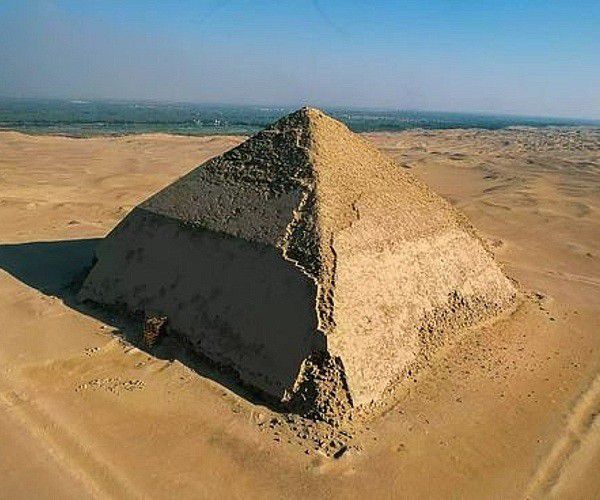
Just south of Cairo lies Dahshur, one of the most fascinating archaeological sites in Egypt and an essential destination for anyone interested in the history of the pyramids. While the Giza Pyramids are the most famous pyramids in Egypt, Dahshur tells a different and equally important story—the story of how ancient Egyptian architects transformed early pyramid designs into the magnificent structures that later became symbols of Ancient Egypt.
Home to the famous Bent Pyramid and the Red Pyramid, Dahshur provides a unique opportunity to see the evolution of pyramid construction and understand how Egyptian architects overcame enormous engineering challenges more than 4,500 years ago.
Located within the ancient Memphis and its Necropolis area, Dahshur can easily be combined with Saqqara and Memphis, making it an excellent addition to a Cairo archaeological tour.
Where Is Dahshur?
Dahshur is located approximately 40 kilometers south of modern Cairo and several kilometers south of Saqqara.
The area sits on the western edge of the Nile Valley, where the ancient Egyptians selected elevated desert land for royal burial complexes.
Its location made Dahshur part of the larger archaeological landscape surrounding the ancient capital of Memphis.
Today, travelers can explore several ancient pyramids and archaeological remains while enjoying a quieter atmosphere than the busy Giza Plateau.
Why Is Dahshur Important?
Dahshur is particularly important because it represents a major stage in the development of pyramid architecture.
Before the pyramids reached their perfect geometric form at Giza, Egyptian architects experimented with different designs.
The pyramids at Dahshur demonstrate these experiments clearly.
The Bent Pyramid reveals the difficulties ancient engineers encountered while constructing a large smooth-sided pyramid.
The Red Pyramid represents the successful solution to many of these challenges.
Together, they provide an extraordinary lesson in ancient engineering.
The Bent Pyramid
The Bent Pyramid is one of the most unusual pyramids in Egypt.
Built during the reign of Pharaoh Sneferu in the Fourth Dynasty, the pyramid gets its modern name from its distinctive change in angle halfway up its structure.
The lower section rises at a steep angle, while the upper section becomes noticeably flatter.
This unusual shape is believed to reflect modifications made during construction to reduce structural pressure and prevent the pyramid from becoming unstable.
The Bent Pyramid is particularly valuable because much of its original smooth limestone casing remains, giving visitors a better idea of how ancient pyramids originally looked.
Why Is the Bent Pyramid Bent?
The exact reason for the change in angle remains a subject of discussion among Egyptologists.
One widely accepted explanation is that the original steep angle created structural problems as construction progressed.
Rather than abandoning the project, the builders reduced the angle of the upper section.
This allowed them to complete the monument while reducing the weight and pressure placed on its lower sections.
The result was one of the most unusual and recognizable pyramids in Egypt.
The Bent Pyramid therefore represents not a failure, but an important engineering experiment that contributed to the development of later pyramids.
The Red Pyramid
Not far from the Bent Pyramid stands another extraordinary monument—the Red Pyramid.
Also built during the reign of Pharaoh Sneferu, the Red Pyramid is widely regarded as the first successful true smooth-sided pyramid.
Its name comes from the reddish color of the limestone used in its construction.
The pyramid originally had a smooth outer casing that would have given it a bright and polished appearance under the Egyptian sun.
With its straight sides and carefully planned proportions, the Red Pyramid represents a major breakthrough in Egyptian architecture.
Entering the Red Pyramid
One of the most exciting experiences at Dahshur is the opportunity to enter the Red Pyramid.
Visitors who enter must travel through a narrow passage before reaching the internal chambers.
The journey provides a fascinating insight into ancient Egyptian pyramid construction and funerary architecture.
Inside, visitors can see the impressive chambers created entirely from enormous stone blocks.
The experience can be physically demanding, so comfortable clothing and shoes are highly recommended.
Pharaoh Sneferu and the Pyramid Revolution
The pyramids of Dahshur are closely connected to Pharaoh Sneferu, one of the most important builders in Egyptian history.
Sneferu is believed to have commissioned several major pyramid projects, including the Meidum Pyramid, the Bent Pyramid, and the Red Pyramid.
His reign was crucial to the development of pyramid architecture.
The experiments carried out under Sneferu eventually influenced the construction techniques used by his successors, including his son Khufu, builder of the Great Pyramid of Giza.
This connection makes Dahshur an essential part of the story of the Giza Pyramids.
Dahshur and the Great Pyramid of Giza
The architectural relationship between Dahshur and Giza is one of the most fascinating aspects of Egypt’s pyramid history.
The Bent Pyramid shows the challenges faced by ancient engineers.
The Red Pyramid demonstrates the successful development of the true pyramid form.
Only a generation later, the Great Pyramid of Khufu at Giza became the most ambitious pyramid ever constructed.
By visiting Dahshur before Giza, travelers can understand how pyramid construction evolved rather than viewing the Great Pyramid as an isolated achievement.
Other Pyramids at Dahshur
The archaeological area contains more than the famous pyramids of Sneferu.
Dahshur also includes monuments associated with later pharaohs, including the Black Pyramid built during the Middle Kingdom.
The Black Pyramid was constructed for Pharaoh Amenemhat III and differs considerably from the Old Kingdom pyramids.
Although much of its structure has deteriorated, the monument provides valuable evidence about how pyramid construction continued and changed over the centuries.
Dahshur Compared with Giza
Both Dahshur and Giza are essential archaeological destinations, but they offer different experiences.
Giza is famous for its monumental scale and iconic pyramids.
Dahshur provides a deeper archaeological experience focused on the development of pyramid architecture.
At Giza, visitors encounter the final expression of pyramid construction.
At Dahshur, they can see the experimentation and innovation that made that achievement possible.
For travelers interested in Ancient Egyptian history, visiting both locations creates a much more complete understanding of Egypt’s pyramid-building tradition.
Dahshur, Saqqara, and Memphis in One Day
Dahshur is ideally located for a full-day archaeological tour that also includes Saqqara and Memphis.
A typical itinerary can begin at Dahshur, where visitors explore the Bent Pyramid and Red Pyramid.
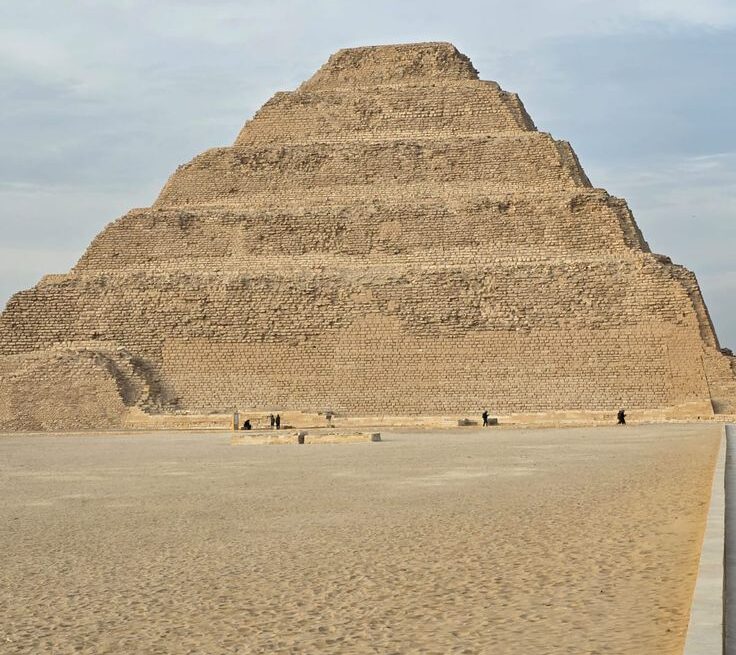
The journey can then continue to Saqqara to discover the Step Pyramid of Djoser and ancient tombs.
Finally, travelers can visit Memphis to see the colossal statue of Ramses II and the Alabaster Sphinx.
Together, these three destinations tell the story of the development of Ancient Egyptian civilization and monumental architecture.
Best Time to Visit Dahshur
The cooler months between October and April are generally ideal for exploring archaeological sites in Egypt.
Morning visits are particularly comfortable because temperatures are usually lower and the desert light creates excellent conditions for photography.
During the warmer months, travelers should bring plenty of water, wear sun protection, and avoid spending unnecessary time in direct sunlight.
Tips for Visiting Dahshur
To enjoy your visit, consider the following:
- Wear comfortable walking shoes.
- Bring plenty of drinking water.
- Use sunscreen and a hat.
- Allow several hours for exploring the archaeological area.
- Consider hiring a professional Egyptologist guide.
- Combine Dahshur with Saqqara and Memphis.
- Check access conditions for pyramid interiors before your visit.
Frequently Asked Questions
What is Dahshur famous for?
Dahshur is famous for the Bent Pyramid and the Red Pyramid, two monuments that demonstrate the evolution of pyramid construction in Ancient Egypt.
Who built the Bent Pyramid?
The Bent Pyramid was built during the reign of Pharaoh Sneferu of the Fourth Dynasty.
What is special about the Red Pyramid?
The Red Pyramid is considered the first successful true smooth-sided pyramid and represents an important development in Egyptian architecture.
Can you enter the pyramids at Dahshur?
Access to pyramid interiors can be available depending on current site regulations and conditions. Visitors should check access arrangements before their visit.
Is Dahshur close to Saqqara?
Yes. Dahshur is located relatively close to Saqqara, making it easy to visit both archaeological sites during the same day.
Can Dahshur be visited with the Giza Pyramids?
Yes, but travelers interested in exploring the monuments properly may prefer to dedicate separate time to Dahshur, Saqqara, and Giza.
Conclusion
Dahshur is one of Egypt’s most important archaeological sites for understanding the evolution of pyramid architecture. The Bent Pyramid reveals the challenges faced by ancient engineers, while the Red Pyramid demonstrates how those challenges were successfully overcome.
Together with Saqqara, Memphis, and Giza, Dahshur forms an extraordinary archaeological journey through the development of Ancient Egyptian monumental architecture.
But the story of Cairo’s ancient heritage does not end with the pyramids. The capital is also home to magnificent monuments from Egypt’s Islamic era, including mosques, historic streets, medieval architecture, and one of the most important cultural districts in the country.
Continue Reading: Islamic Cairo – Exploring the Historic Heart of Egypt’s Capital

I was searching for a digital roulette experience that actually feels authentic and I found it here. The graphics are crisp and the rules are easy to follow for both beginners and veterans. It is rare to find a site that balances fun with real reliability. I keep coming back for more. crearruletadigital
you are welcome